
Best UPVC Primer in 2026

Painting uPVC windows and doors has become a popular way for UK homeowners to refresh their properties without full replacement. The smooth, non-porous nature of uPVC makes it resistant to standard paints, which is why the best UPVC primer in 2026 plays an important role in achieving a durable finish.
Many people seek options that create strong bonds on rigid plastic surfaces while supporting topcoats that withstand everyday weather exposure. The high-quality UPVC primer combines practical performance with formulations developed for challenging plastics. For reliable results on your uPVC projects, many turn to trusted British-made options available at Jenolite.
The Importance of Using the Right Primer on uPVC

uPVC remains one of the most common materials in UK homes for windows and doors because it offers low maintenance and solid durability. Its smooth, non-porous surface creates challenges for paint adhesion. Without proper preparation, topcoats can peel, flake, or fail prematurely, especially on exterior surfaces exposed to rain, sun, and temperature shifts.
The best UPVC primer in 2026 addresses this by forming a mechanical and chemical key that helps subsequent coats bond securely. It works particularly well on rigid plastics like PVC, which forms the basis of most uPVC profiles. Proper priming also helps reduce the risk of moisture-related issues and supports a smoother, more professional finish that lasts longer in typical British conditions.
How UPVC Primers Work and What to Look For
Effective primers for uPVC usually rely on acrylic or specialised adhesion-promoting formulas that grip hard-to-paint plastics. They prepare the surface so topcoats, whether water-based or oil-based, adhere evenly and resist everyday wear. Key qualities include quick drying times, compatibility with common UK topcoats, and suitability for both interior and exterior use.
Aerosol formats prove popular for their convenience and ability to deliver even coverage on frames, sills, and intricate profiles. British-made options often receive attention for formulations developed with local conditions and materials in mind. When selecting, consider the specific plastic types involved, the condition of the existing surface, and whether the plastic primer supports the chosen finish without extra complications.
Best UPVC Primer in 2026
1. Jenolite Plastic Primer Aerosol - Best UPVC Primer in 2026
Jenolite Plastic Primer Aerosol delivers outstanding performance on uPVC and other challenging plastics thanks to its modern acrylic formulation. Developed to bond exceptionally well to smooth, low-energy surfaces, it creates a durable base that helps topcoats stay in place through regular use and British weather. The primer suits a wide variety of plastics including PVC, polypropylene, polyethylene, ABS, fibreglass and vinyl, making it versatile for windows, doors, frames, garden furniture and automotive trim alike.
PLASTIC PRIMER AEROSOL | 400ML

PLASTIC PRIMER AEROSOL | 400ML
DESCRIPTION
-
PLASTIC PRIMER: JENOLITE Plastic Primer Aerosol is a specially formulated primer paint, that has fantastic bonding properties to almost all types of plastic and prepares for top coating.
-
SUPERIOR ADHESION: Fantastic bonding properties for hard-to-paint surfaces. Using a modern acrylic formulation it enables fantastic adhesion to the smoothest of surfaces and provides a very durable finish.
-
INTERIOR & EXTERIOR USE: Developed for interior and exterior use. Wide range of uses and ideal for use on plastic garden furniture, planters, pots, plastic models, and most other hard plastic surfaces.
-
FOR MOST PLASTICS: Suitable for use on most types of plastic including polypropylene, resin, PVC, fibreglass and vinyl plastics.
-
FAST & EASY TO USE: Simple to use, quick drying and leaves smooth surface ready for topcoat.
-
MADE IN BRITAIN
Explore the best UPVC Primer at Jenolite
Discover Also:
2. Rust-Oleum Plastic Primer

Rust-Oleum Plastic Primer serves as a practical aerosol solution for improving paint adhesion on plastic surfaces that often prove difficult to coat successfully. It works particularly well on rigid plastics similar to those used in uPVC windows, doors and frames, creating a receptive base that helps subsequent topcoats grip more effectively. The product finds regular use in automotive restoration, garden furniture refreshes and household DIY projects where plastic components require a durable colour or protective finish.
Application remains straightforward with the spray format, allowing even coverage across contoured profiles, edges and intricate details without leaving brush marks or heavy build up. When surfaces receive thorough cleaning and degreasing beforehand, the primer forms a stable layer that supports both water based and oil based topcoats commonly chosen for UK conditions. Many users find that a light scuff with fine abrasive pads further enhances results on glossy or previously painted uPVC, although the formula performs reliably on properly prepared rigid plastics even without extensive abrasion.
It helps minimise common issues such as peeling or flaking by bridging the smooth plastic substrate and the chosen finish. The primer suits both interior and exterior applications when paired with compatible topcoats matched to the level of weather exposure. Professionals and DIY enthusiasts value its convenience and consistent performance on mixed material projects or standalone plastic items around the home and garden. Overall it delivers a smooth undercoat that contributes to longer lasting painted results when the full system receives correct preparation and application.
-
Key features: Aerosol format for quick and even application on complex shapes, designed to promote adhesion on polypropylene, polyethylene, PVC and similar rigid plastics, quick drying properties that allow progression to topcoats without long delays, compatible with a wide selection of decorative and protective finishes.
-
Facts and Information: Widely used across UK automotive, DIY and garden sectors for plastic restoration work, supports strong bond formation when surfaces are clean and dry, performs effectively in both indoor settings and sheltered exterior locations when appropriate topcoats are selected.
3. Simoniz Grey Plastic Primer

Simoniz Grey Plastic Primer offers a reliable aerosol option focused on preparing plastic surfaces for painting, especially in automotive and general DIY contexts. It creates an effective key on rigid plastics that helps topcoats adhere more securely and maintain their appearance over time. The grey colour provides good opacity and serves as a neutral base for many colour choices, making it suitable for trim pieces, bumpers, garden items and household plastic components that resemble uPVC in smoothness and density.
Spray application delivers fast, even coverage that reaches into recesses and around edges with minimal effort. Users typically achieve better outcomes when the plastic receives thorough cleaning to remove contaminants before priming. The product works well on many common rigid plastics and contributes to professional looking finishes in restoration or refresh projects. Some applications benefit from light surface preparation to maximise mechanical grip, particularly on older or glossy uPVC style materials.
It supports compatibility with standard topcoats used in the UK market and helps reduce the chance of finish failure on challenging substrates. The primer suits both indoor and outdoor use when followed by suitable protective or decorative coats matched to exposure levels. Its convenience and consistent results make it a frequent choice for those refreshing plastic elements on vehicles, outdoor furniture or home fixtures where a stable base layer matters.
-
Key features: Grey tinted aerosol for good coverage and a neutral base, promotes adhesion on various rigid plastics including PVC types, fast drying to support efficient project workflow, suitable for automotive trim, garden plastics and similar smooth surfaces.
-
Facts and Information: Popular in UK car care and DIY circles for plastic component restoration, delivers reliable undercoat performance when surfaces are properly cleaned, works effectively across indoor and sheltered exterior applications with compatible topcoats.
4. Hycote Plastic Primer
Hycote Plastic Primer provides an aerosol solution formulated to improve bonding on a broad range of plastic materials that typically resist standard paints. It proves useful for projects involving uPVC style rigid plastics found in windows, doors, trim and outdoor items, creating a foundation that supports durable topcoats.
The product sees regular application on vehicle parts, garden furniture, planters, models and household plastics where a stable painted finish is required. Its spray format allows straightforward coverage of detailed or curved surfaces with good control and minimal overspray when used carefully. Thorough surface cleaning remains important for optimal results, as residues can interfere with the primer’s ability to grip effectively. Many users report good compatibility with both water based and solvent based topcoats after the primer has dried.
Light abrasion on very smooth or glossy plastics can further enhance adhesion, although the formulation performs solidly on well prepared rigid surfaces. It helps address common challenges such as peeling by providing a receptive layer between the plastic and the finish coat. The primer functions in interior settings and exterior locations when paired with appropriate weather resistant topcoats. Its balance of ease of use and reliable performance makes it a practical option for DIY and trade work on plastic heavy projects across the UK.
-
Key features: Aerosol delivery suited to contoured and detailed plastic items, formulated for adhesion on PVC, vinyl and similar rigid plastics, supports quick project progression with reasonable drying characteristics, compatible with common UK topcoat systems.
-
Facts and Information: Frequently chosen for automotive, garden and household plastic restoration in the UK, provides consistent base layer results when surfaces receive proper cleaning, performs well in both indoor and exterior applications with suitable topcoats.
5. Zinsser Bulls Eye 1-2-3 Primer

Zinsser Bulls Eye 1-2-3 Primer stands out as a versatile multi surface primer that handles difficult materials including glossy uPVC and other rigid plastics effectively. It creates strong adhesion on smooth, non porous surfaces without requiring extensive sanding in many cases, which makes it practical for refreshing uPVC windows, doors and frames.
The water based formula offers low odour and easy cleanup while delivering stain blocking properties that help maintain finish quality. Users value its ability to provide a stable base for topcoats on previously painted or factory finished plastics common in UK homes. Application by brush, roller or spray works well, and the primer dries relatively quickly to allow recoating within a short time under normal conditions.
It performs reliably on both interior and exterior projects when followed by suitable topcoats matched to the environment. Some very flexible or heavily textured plastics may still benefit from light preparation, but on standard rigid uPVC profiles the product often delivers excellent results with minimal extra work. The primer helps prevent common finish problems by sealing the surface and promoting good topcoat grip. Its multi purpose nature suits mixed material jobs or standalone plastic refreshes where convenience and broad compatibility matter.
-
Key features: Water based multi surface adhesion primer effective on glossy plastics and uPVC, low odour with easy application and cleanup, stain blocking capabilities, quick recoat properties suitable for efficient workflows.
-
Facts and Information: Widely recommended in UK decorating circles for difficult surface preparation including plastic and uPVC, supports durable results on both interior and exterior rigid plastics when used with compatible topcoats, reduces the need for heavy sanding on many smooth profiles.
6. Tikkurila Otex Adhesion Primer

Tikkurila Otex Adhesion Primer specialises in promoting strong bonds on challenging surfaces such as uPVC windows, doors and other rigid plastic profiles. It supports long term finish performance in exterior conditions typical of the UK climate by creating a secure base for topcoats.
The product sees frequent use in professional and serious DIY projects where durability on architectural plastics matters. Application remains straightforward, and the primer works effectively on both new and previously coated uPVC when surfaces are clean and dry. It pairs particularly well with compatible Tikkurila or similar exterior systems designed for plastic and uPVC, helping achieve cohesive, weather resistant results. Users often note good performance on smooth factory finishes without excessive preparation, although light cleaning and occasional light abrasion can optimise outcomes further.
The primer contributes to finishes that resist peeling and maintain appearance through seasonal changes and everyday exposure. Its targeted formulation makes it a preferred choice for exterior uPVC refreshes where reliable adhesion forms the foundation of successful, long lasting work.
-
Key features: Adhesion focused primer developed for difficult surfaces including uPVC and rigid plastics, supports exterior durability when used with suitable topcoats, straightforward application characteristics, compatible with professional grade finishing systems.
-
Facts and Information: Commonly specified in UK projects involving uPVC window and door painting, delivers strong bonding performance on smooth plastic profiles, contributes to weather resistant finishes in exterior applications with matched topcoat systems.
7. ProMatic Plastic Primer Aerosol
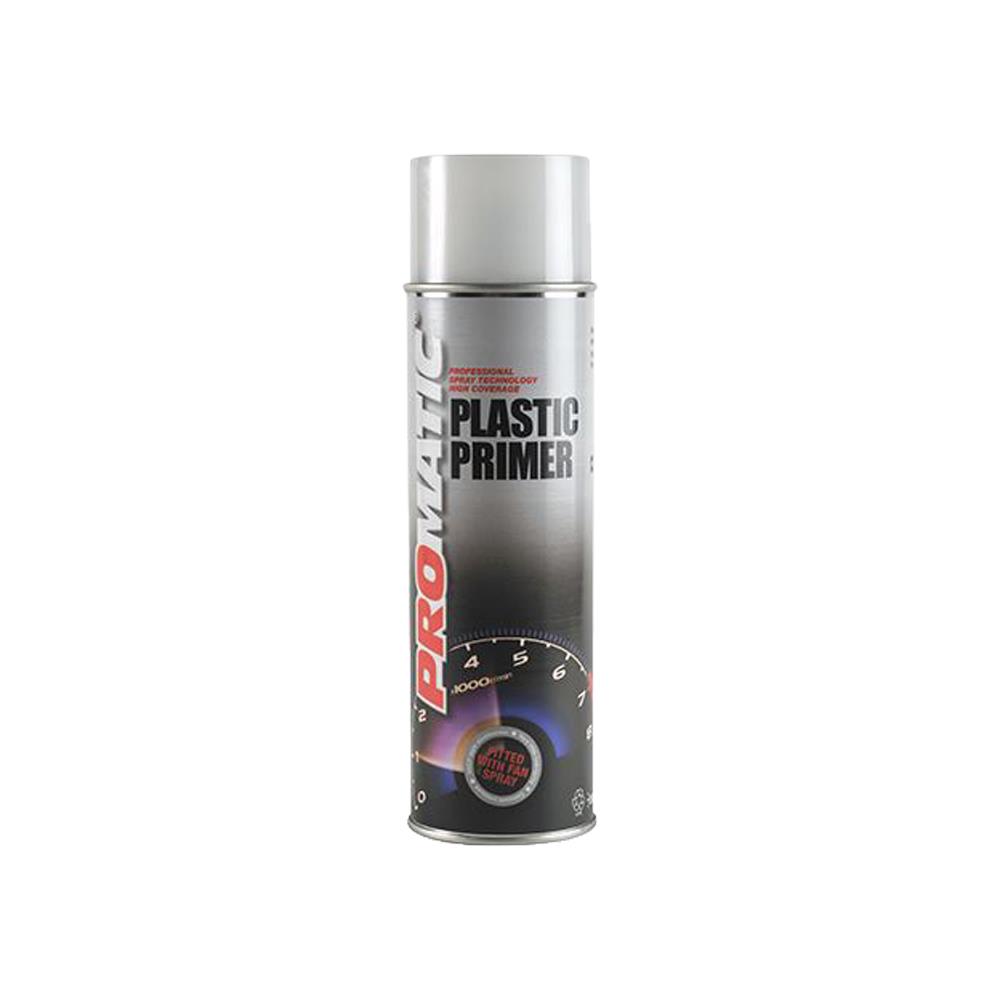
ProMatic Plastic Primer Aerosol targets automotive, industrial and general plastic priming needs with a focus on creating a solid base for colour coats. It performs effectively on rigid plastics including types similar to uPVC, helping topcoats adhere more reliably on smooth surfaces. The aerosol format provides convenient, even application across trim, panels, furniture and other contoured plastic items.
Thorough surface cleaning and degreasing remain essential for best results, as with most plastic primers. The product supports progression to topcoats after appropriate drying and works with many standard single pack and two pack systems used in the UK. Light surface preparation can enhance grip on glossy or older plastics, although the formulation delivers consistent performance on well prepared rigid materials. It helps reduce finish failures such as lifting or peeling by establishing good initial bonding. Suitable for both workshop and on site use, the primer suits projects ranging from vehicle restoration to garden and household plastic refreshes. Its practical characteristics make it a regular selection for trade and serious DIY work requiring dependable undercoats on plastic substrates.
-
Key features: Aerosol application for efficient coverage of detailed plastic components, promotes adhesion on polypropylene, ABS and PVC style rigid plastics, compatible with various topcoat types, supports professional and DIY workflows.
-
Facts and Information: Used across UK automotive and general plastic restoration sectors, provides reliable base layer performance when surfaces are properly prepared, functions effectively in controlled and on site environments with appropriate finishing coats.
8. Advanced Aerosols Plastic Primer
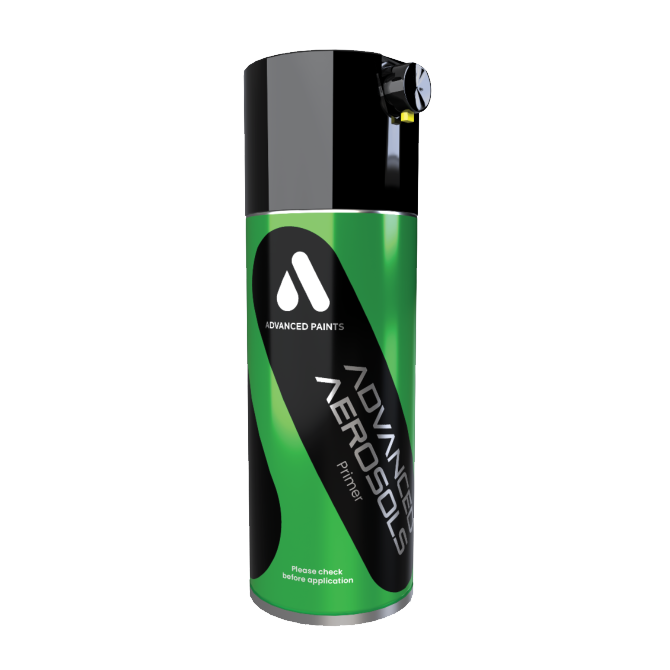
Advanced Aerosols Plastic Primer functions as a targeted adhesion promoter for plastics that present bonding challenges to standard paints. It proves useful on rigid materials comparable to uPVC found in windows, doors, trim and outdoor products, establishing a receptive surface for subsequent coats. The aerosol delivery allows controlled application on complex shapes and profiles with good efficiency.
Best results typically follow thorough cleaning to remove any contaminants that could compromise grip. The primer supports compatibility with a range of topcoats and helps create finishes that maintain integrity over time on plastic items. Some users incorporate light abrasion on very smooth or weathered surfaces to further improve mechanical key, particularly for exterior uPVC style applications.
It addresses common issues associated with painting low energy plastics by providing an intermediate layer that enhances topcoat performance. The product suits both interior refreshes and exterior projects when paired with suitable protective topcoats. Its specialised focus makes it a practical choice for those seeking consistent adhesion on challenging plastic substrates in UK DIY and trade settings.
-
Key features: Aerosol format designed for precise application on plastic surfaces, formulated to improve bonding on rigid and low energy plastics including PVC types, supports a variety of compatible topcoats, suitable for detailed and contoured items.
-
Facts and Information: Employed in UK projects requiring enhanced adhesion on plastic components, delivers dependable undercoat results when surface preparation is thorough, contributes to longer lasting finishes on both indoor and exterior rigid plastics with matched topcoats.
9. ToughOX Pre-Adhesion Primer
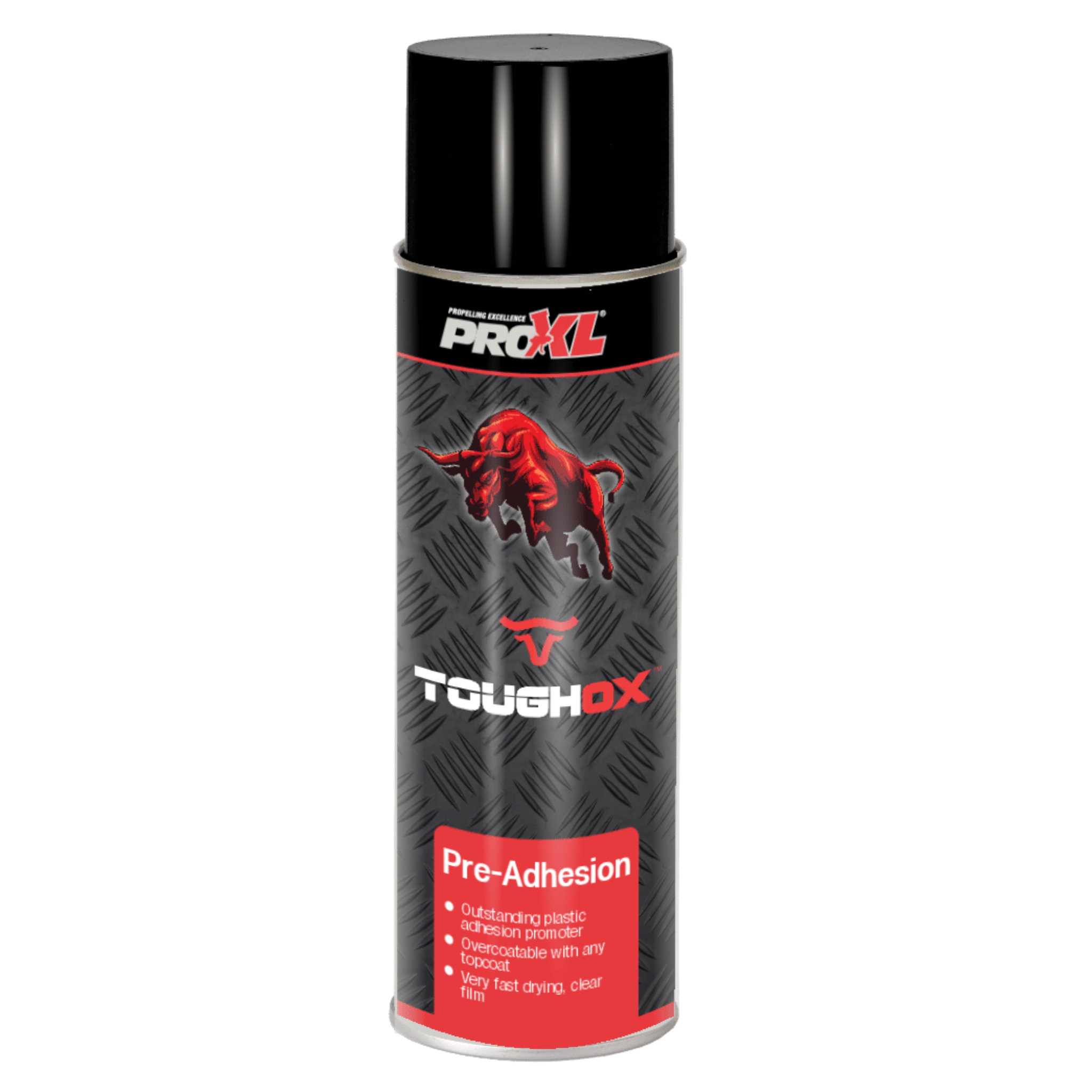
ToughOX Pre-Adhesion Primer prepares plastic surfaces for painting by creating a receptive base layer that supports better topcoat performance. It works effectively on rigid plastics used in uPVC windows, doors, garden items and vehicle components, helping overcome the natural resistance of smooth materials.
The product applies easily via aerosol and provides even coverage that aids subsequent finishing steps. Proper cleaning of the substrate remains important to ensure the primer can establish good contact and bonding. It performs well with many common topcoat systems and contributes to finishes that resist lifting or premature failure on plastic profiles. Light preparation such as scuffing can optimise results on glossy or older surfaces, although the formulation offers solid performance on correctly prepared rigid plastics.
The primer suits projects where reliable initial adhesion forms the foundation for durable painted outcomes. Its characteristics make it suitable for both professional workshops and home based work on plastic heavy items requiring a stable undercoat before colour or protective coats are applied.
-
Key features: Aerosol pre adhesion primer for rigid plastics including PVC and similar materials, creates a receptive base for topcoats, straightforward application on contoured surfaces, compatible with standard UK finishing systems.
-
Facts and Information: Used in UK automotive, garden and household plastic projects, supports consistent bonding when surfaces receive adequate cleaning, performs reliably across indoor and sheltered exterior applications with appropriate topcoats.
10. PlastiKote Plastic Primer
PlastiKote Plastic Primer provides an aerosol option aimed at improving paint adhesion on various plastic surfaces encountered in DIY and restoration work. It creates a suitable base on rigid plastics comparable to uPVC, supporting topcoats on items such as trim, furniture, planters and household components. The spray format enables quick coverage of smooth and detailed areas with good control.
Thorough degreasing and cleaning of the plastic beforehand helps the primer achieve its full bonding potential. The product works with a range of water based and solvent based topcoats and contributes to finishes that hold up better on challenging substrates. Some applications benefit from light surface abrasion to enhance grip, especially on glossy uPVC style materials or older plastics. It helps address adhesion related issues by forming an intermediate layer between the plastic and the decorative or protective coat.
Suitable for both interior and exterior use when followed by compatible topcoats matched to exposure, the primer offers practical performance for users refreshing plastic elements around the home, garden or vehicle. Its convenience and targeted formulation make it a regular choice for projects requiring dependable undercoats on rigid plastic surfaces.
-
Key features: Aerosol delivery for efficient application on plastic profiles and components, promotes adhesion on rigid plastics including PVC types, compatible with multiple topcoat varieties, supports smooth undercoat formation.
-
Facts and Information: Popular for UK DIY and restoration work on plastic items, delivers reliable base layer performance with proper surface preparation, functions effectively in indoor settings and sheltered exterior locations with suitable finishing coats.
Step by Step Guide to Priming uPVC Surfaces
Successful uPVC priming starts with thorough cleaning to remove dirt, grease, silicone residues, and old loose material. Many people use warm soapy water followed by a dedicated plastic cleaner or degreaser for best results. Light sanding with fine grit helps on very glossy areas, though some modern primers grip well without it.
Mask surrounding surfaces carefully and work in moderate temperatures away from direct strong sunlight or rain. Apply the primer in light, even coats, allowing proper flash-off time between layers. Once dry, inspect for even coverage before applying the chosen topcoat according to its instructions. This methodical approach helps deliver finishes that maintain their appearance through typical UK seasonal changes.
Achieving Professional Results with Your Chosen UPVC Primer in the UK
Quality primers contribute to finishes that resist peeling and maintain colour vibrancy on uPVC windows and doors. Pairing the primer with a suitable exterior-grade topcoat designed for plastic or uPVC enhances overall durability. Regular gentle cleaning with non-abrasive products helps preserve the painted surface over time.
Attention to preparation and product compatibility often makes the difference between short-term results and long-lasting transformations. British-formulated options frequently receive positive feedback for their balance of ease and performance in local conditions. Complementary products from the paints and coatings range help users build complete, compatible systems.
FAQ
What makes a primer suitable specifically for uPVC rather than general plastics?
UPVC features a smooth, low energy surface that resists standard paint adhesion, which is why primers formulated for rigid PVC and similar materials perform better on windows and doors. These specialised products use modern acrylic bases to create strong mechanical and chemical bonds even on glossy profiles. They prepare the surface effectively for topcoats while offering versatility across polypropylene, polyethylene and fibreglass as well. This targeted approach helps achieve more reliable results on architectural plastics common in UK properties compared to general purpose options.
How does surface preparation affect primer performance on uPVC?
Thorough cleaning removes grease, silicone residues and dirt that would otherwise create barriers to proper adhesion on uPVC surfaces. Light abrasion on very glossy areas further enhances the mechanical key that allows the primer to grip effectively. When preparation receives proper attention, the primer forms a stable foundation that supports durable topcoats through everyday exposure and seasonal changes common in the UK. Incomplete cleaning or skipped steps often lead to uneven coverage or premature failure regardless of primer quality.
Can any topcoat go over a plastic or uPVC primer?
Most plastic primers accept both water based and oil based topcoats once fully dry, providing flexibility in finish selection. Compatibility depends on following the specific drying recommendations and testing small areas when using unfamiliar combinations. Primers designed for PVC materials generally support a wide range of decorative and protective topcoats suitable for UK conditions. This compatibility helps users achieve the desired colour and sheen while maintaining the adhesion benefits of the primer layer.
Do all uPVC painting projects require a separate primer?
Some modern uPVC paints include self priming properties and can deliver acceptable results without an additional step on well prepared surfaces. However, on new glossy profiles, previously painted or weathered uPVC, or where maximum durability is the goal, a dedicated primer step significantly improves long term performance. The decision often comes down to the condition of the surface and the specific paint system chosen. Using a primer adds an extra layer of security against common issues like peeling in demanding environments.
What benefits do fast drying primers offer for uPVC applications?
Fast drying primers allow projects to move efficiently from preparation to topcoat application, which suits both DIY enthusiasts and professionals working around variable UK weather. They form a strong initial bond to plastic surfaces while reducing overall downtime between coats. Many such formulations reach a touch dry state quickly and accept subsequent layers within a short period once conditions are suitable, supporting timely completion of window, door and frame refreshes. This efficiency combines well with strong adhesion properties to help achieve professional looking, long lasting results without unnecessary delays.
Read Also:



