
Best Spray-On Rust Remover in 2026

Rust can quickly damage metal items exposed to the UK's damp weather and road salt. The best spray-on rust remover in 2026 offers a practical way to tackle this without hours of heavy scrubbing. These formulas work by chemically breaking down iron oxide so it can be wiped or rinsed away, leaving bare metal ready for priming and painting.
Whether the job involves car panels, garden tools, workshop equipment, or structural steel, the right rust remover spray makes restoration straightforward and effective.
How Spray-On Rust Removers Tackle Corrosion Effectively

Spray-on formulas reach awkward angles and vertical surfaces more easily than thick gels or liquids that need brushing. Most work through a chemical reaction that targets rust while leaving sound metal largely unaffected. Some leave a thin protective film that helps slow new corrosion until the surface receives a topcoat. Others are designed purely to strip rust back to bare metal in the shortest possible time. The best spray-on rust remover in 2026 also reduces the amount of product wasted on surrounding areas and allows better control over dwell time. Many UK users find that a short application followed by a rinse or wipe produces a surface that accepts primer without further abrasion.
When choosing a spray-on rust remover, match the product to the thickness of the rust and the type of metal involved. Light surface rust on car bodywork responds well to fast-acting aerosol converters. Heavier scale on agricultural machinery or garden furniture often benefits from a trigger-spray liquid that can be applied generously and left to work. Always clean loose dirt and grease first so the active ingredients reach the rust directly.
Why Spray Application Matters for UK Metal Restoration Projects
Spray delivery suits the varied shapes and sizes of items that need treatment in homes, garages, and small workshops across the country. It minimises drips on vertical panels and allows quick coverage of larger areas such as vehicle chassis or metal gates. The format also reduces the need for multiple tools; one can often complete the job with the quality spray-on rust remover, a cloth, and water. In coastal or northern regions where salt air accelerates corrosion, being able to treat spots promptly helps prevent small patches from spreading. Many professional restorers prefer spray-on rust remover products because they deliver consistent film thickness and reach into seams and crevices that brushes miss.
Best Spray-On Rust Remover in 2026
1. Jenolite Original Rust Remover Liquid Trigger Spray - Best Spray-On Rust Remover
Jenolite delivers a fast-acting liquid formula designed specifically for spray application. It chemically reacts with rust to break it down and lift it from the metal surface, leaving clean bare metal that is ready to prime and paint. The trigger mechanism allows controlled, even coverage on flat panels, curved parts and hard-to-reach areas without the need for heavy brushing or soaking. UK users regularly choose it for automotive components, garden furniture, workshop tools and structural metalwork exposed to damp conditions and road salt.
ORIGINAL RUST REMOVER LIQUID TRIGGER SPRAY | 500ML & 1 LITRE
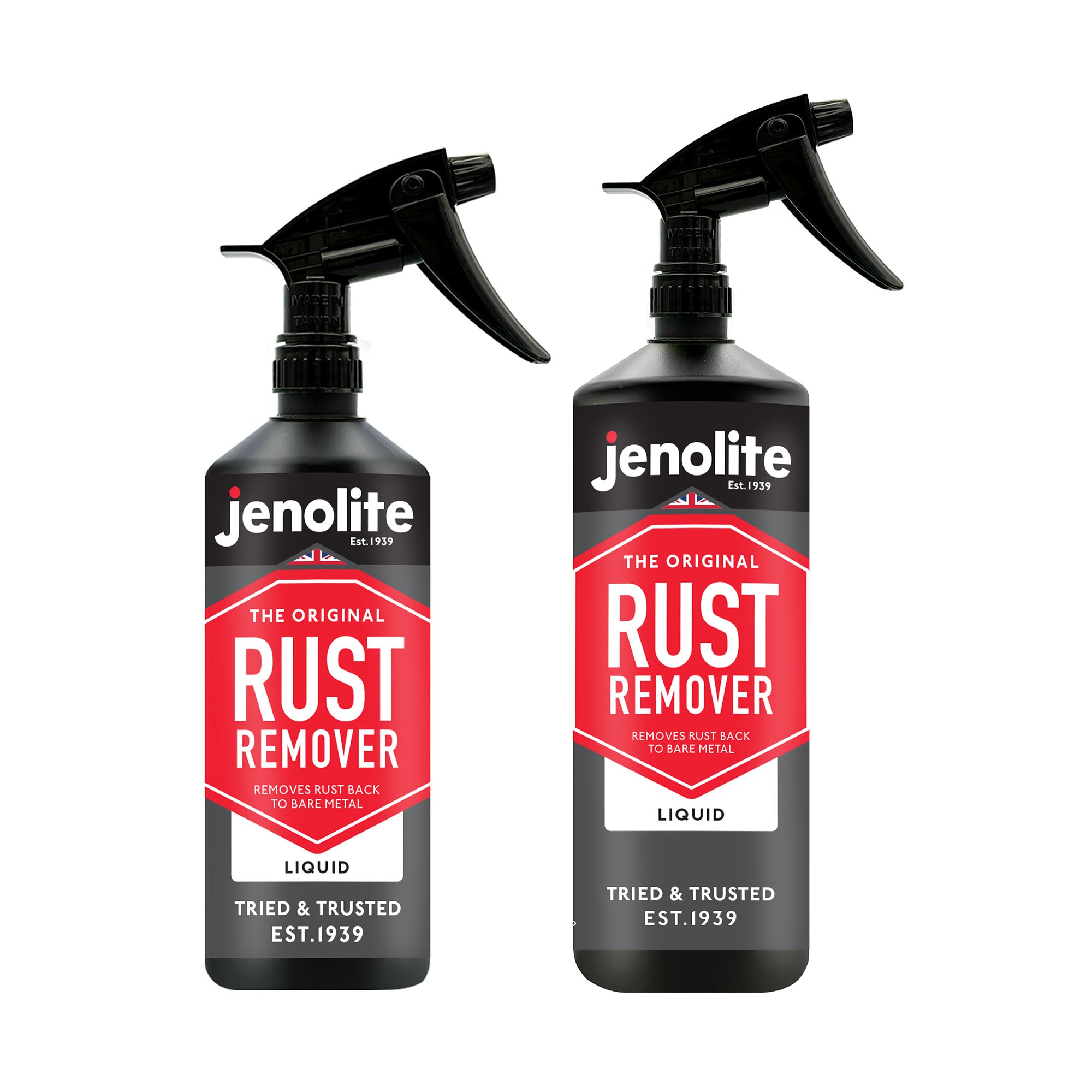
ORIGINAL RUST REMOVER LIQUID TRIGGER SPRAY | 500ML & 1 LITRE
DESCRIPTION
-
ELIMINATES RUST QUICKLY: This rapid-action remover breaks down rust effectively, exposing clean metal that's prepared for priming.
-
QUICK RESULTS: It chemically interacts with rust for straightforward elimination. The surface is priming-ready within 30 minutes.
-
PERFECT FOR APPLICATION ON: Great for vehicles, body repairs, undercarriages, wheel wells, equipment, bicycles, boat hulls, yacht bottoms, trailer understructures, outdoor entrances, and patio sets, among others.
-
CLEARS OXIDE LAYERS: Ideal for eliminating thin oxide coatings that remain on metal after abrasive blasting like sand or grit methods.
-
USAGE: As with every JENOLITE item, this Rust Remover is user-friendly. Just apply the spray for full surface coverage on rusty areas. Let it penetrate the corrosion while agitating with a wire brush or drill-mounted brush. Maintain the reaction by preventing dryness and reapplying when needed.
-
AREA COVERAGE: Roughly 8 square meters per liter.
-
PRODUCED IN THE UK.
Visit Jenolite to explore the best spray-on rust remover
Discover Also:
2. Rust-Oleum Rust Reformer Aerosol
Rust-Oleum Rust Reformer Aerosol delivers an aerosol spray that converts existing rust into a stable black coating ready for painting. The formula penetrates light to moderate corrosion on ferrous metals and creates a protective polymeric layer that helps limit further oxidation. UK users often select this option for vehicle bodywork, chassis sections, gates and outdoor metal structures where quick spray application reaches seams and curved surfaces more easily than brush-on alternatives.
The product works by reacting with the rust present to stabilise it, reducing the need for heavy sanding in many cases while providing a base that accepts subsequent primers and topcoats. Application involves shaking the can well, spraying from a comfortable distance in thin even coats and allowing adequate drying time before overcoating. It suits restoration projects on cars, trailers and garden equipment exposed to damp conditions and road salt. The spray format minimises drips on vertical panels and allows treatment of awkward angles without additional tools.
Many DIY and professional restorers value its convenience for spot repairs and larger areas alike, as it simplifies the process of moving from corroded metal to a paint-ready surface. Proper surface cleaning beforehand improves contact and overall results. Once dry the black coating offers a uniform appearance that blends well under most automotive and industrial paints. Following treatment with a suitable metal primer helps ensure strong adhesion of the final finish.
Key features:
-
Aerosol delivery reaches complex shapes and vertical surfaces effectively
-
Converts rust into a stable paintable layer without extensive mechanical work
-
Creates a protective coating that helps slow new corrosion
Facts and Information:
-
Popular choice among UK vehicle and property maintenance users for accessible rust treatment
-
Performs reliably on light to moderate rust layers common on exposed metal
-
Integrates into standard preparation and painting workflows used across restoration projects
3. Hammerite Kurust Rust Converter
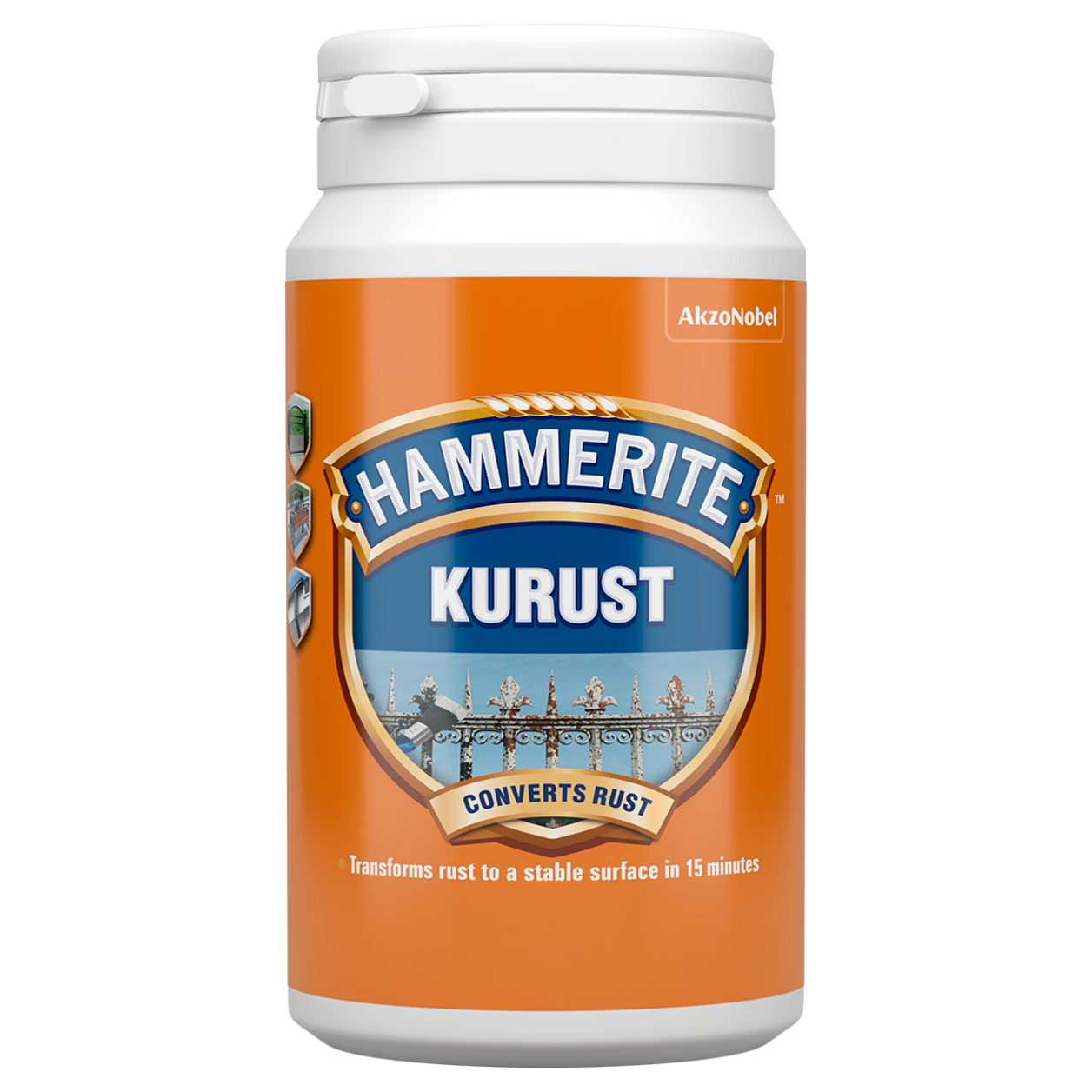
Hammerite Kurust Rust Converter provides a liquid treatment that transforms rust into a stable compound suitable for overcoating. The product is widely used across the UK on automotive panels, railings, garden furniture and structural metal where corrosion has begun to develop. It works through a chemical reaction that neutralises active rust and creates a firm base for primers and paints.
Application can involve brushing or, for larger areas, decanting into a spray bottle to achieve more even coverage on complex surfaces. UK conditions with frequent moisture and winter road salt make timely treatment valuable, and this converter helps stabilise affected areas before further damage occurs. Users typically clean loose rust and dirt first, apply the product generously and allow it to react fully before proceeding with topcoats from the best direct to metal paint ranges.
The formula performs well on moderate rust and supports long-term protection when followed by appropriate coatings. It is particularly useful on items that cannot be easily removed for soaking or heavy abrasion. The straightforward process appeals to both experienced restorers and those carrying out occasional maintenance on vehicles or outdoor structures. Once cured the converted surface accepts paint reliably and helps reduce the risk of rust recurring in the treated zones.
Key features:
-
Converts rust into a stable substrate for painting
-
Suitable for brush application or spray after decanting
-
Compatible with a wide range of protective topcoats used in the UK
Facts and Information:
-
Established option for rust stabilisation on cars, gates and machinery in damp climates
-
Supports preparation workflows that move quickly from treatment to finishing
-
Delivers consistent results on ferrous metals exposed to typical British weather
4. Bilt-Hamber Hydrate-80 Rust Converter
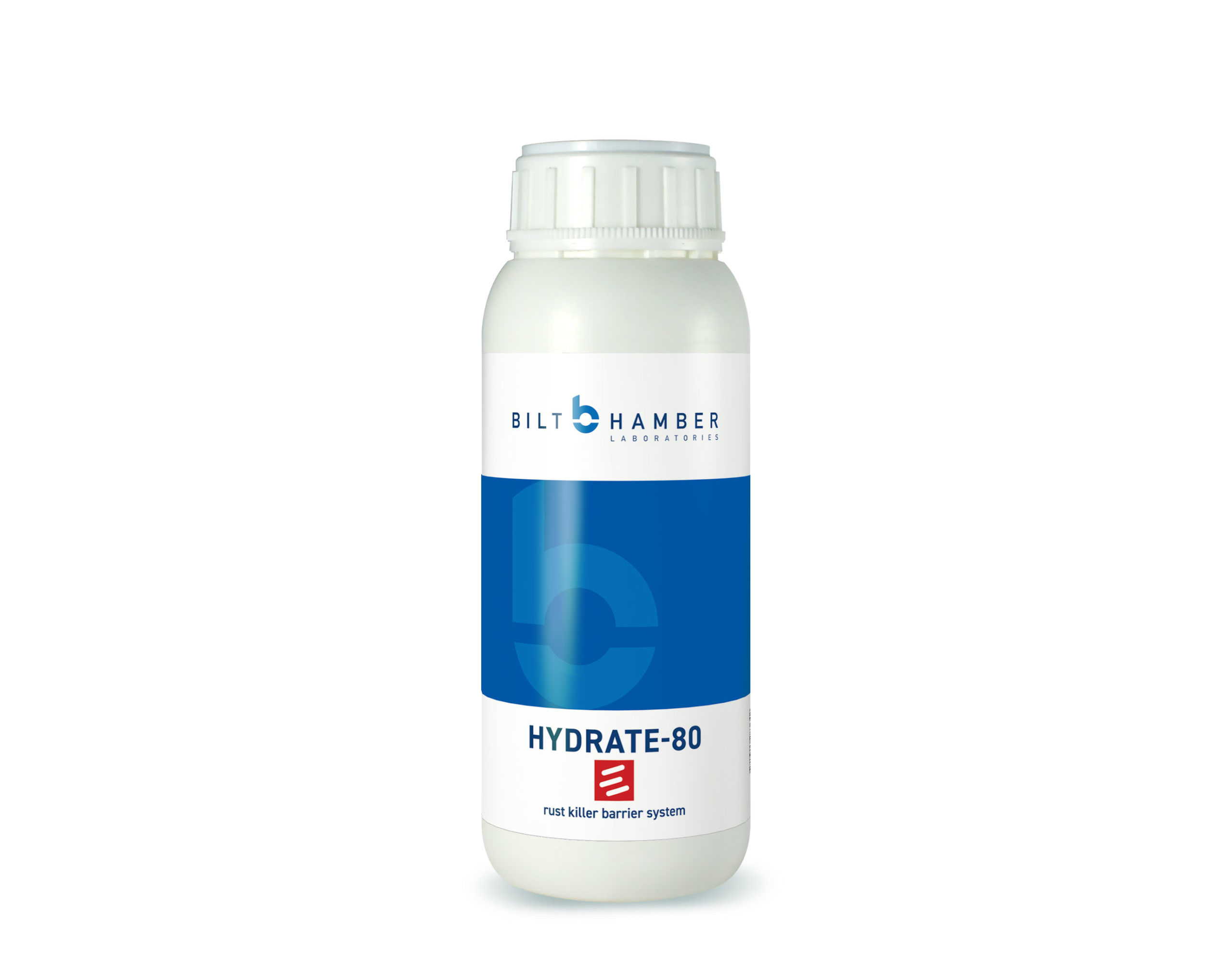
Bilt-Hamber Hydrate-80 Rust Converter neutralises corrosion on ferrous metals and forms a stable layer ready for further protection. Manufactured in the UK, it is popular with classic car owners, agricultural machinery users and those maintaining metalwork around properties. The product reacts with rust to stop active corrosion and create a sound base for primers.
It can be applied by brush or transferred to a spray bottle for broader coverage on panels and frameworks. In regions where salt air and damp accelerate rust, this converter offers a practical step in restoration sequences. Surface preparation that removes loose material and grease improves bonding and effectiveness. After application the treated area is left to react fully before cleaning and overcoating.
Many users appreciate its performance on moderate rust without requiring aggressive abrasion. The formula supports projects ranging from vehicle underbodies to garden structures and workshop equipment. Once stabilised the metal accepts subsequent coatings more reliably, helping extend service life in challenging conditions. Its UK development aligns well with local restoration needs and maintenance routines. Pairing the converted surface with a quality rust inhibiting primer further strengthens long-term defence.
Key features:
-
Neutralises rust and produces a stable paintable surface
-
Flexible application by brush or spray depending on the job size
-
Developed for UK restoration and maintenance environments
Facts and Information:
-
Frequently chosen for classic vehicles and machinery exposed to moisture and salt
-
Fits into preparation stages before priming and topcoating
-
Provides reliable stabilisation on ferrous surfaces common in British projects
5. Evapo-Rust C700 Rust Remover
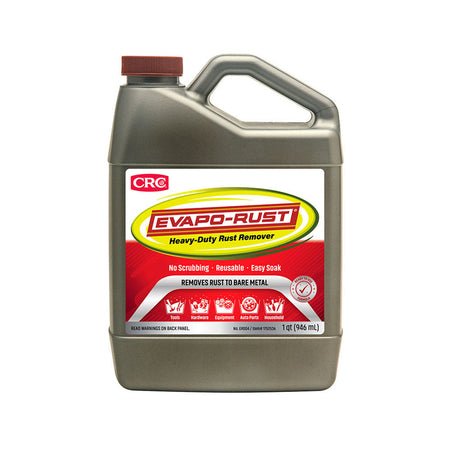
Evapo-Rust C700 Rust Remover uses a water-based chelating action to remove rust down to bare metal without harsh acids. It is commonly employed in the UK on tools, engine components, fasteners and smaller metal items that can be soaked or brushed. Some users transfer the liquid to spray bottles for targeted application on larger or fixed surfaces.
The formula safely dissolves iron oxide while leaving sound metal largely unaffected, and the solution can often be reused for multiple jobs. It suits workshop environments where ventilation and safety are priorities. Application typically involves submerging or generously coating the rusted area, allowing time for the reaction and then rinsing to reveal clean metal. UK restorers value its effectiveness on hand tools, automotive parts and garden equipment where complete rust removal is preferred before priming.
The absence of strong fumes makes it comfortable for indoor or garage use. After treatment the bare surface is ready for immediate priming to prevent quick re-oxidation in damp conditions. Its performance on moderate to heavy rust layers supports thorough restoration workflows. Many projects then move to best rust protection products for lasting results.
Key features:
-
Non-acidic formula removes rust to bare metal with minimal scrubbing
-
Can be used as a soak or applied by spray or brush
-
Reusable solution suitable for repeated workshop tasks
Facts and Information:
-
Strong reputation in UK testing for safe and effective rust removal
-
Ideal for components that benefit from full cleaning before coating
-
Supports maintenance of tools and machinery in typical garage settings
6. WD-40 Specialist Rust Remover Soak

WD-40 Specialist Rust Remover Soak targets rust on tools, fasteners and metal components through a non-caustic formula. While primarily designed for soaking, it can be decanted into spray bottles or applied with a brush for spot treatment on larger items. The product helps break down corrosion so seized parts can be freed and surfaces cleaned without damaging underlying metal.
UK mechanics and DIY users often keep it available for workshop maintenance and restoration of hand tools or vehicle hardware. Application involves saturating the rusted area and allowing sufficient dwell time, sometimes with gentle agitation to speed results. It performs effectively on light to moderate rust and integrates well with other penetrating products for stubborn cases.
After treatment rinsing and drying prepare the surface for priming or lubrication. The formula supports workflows where complete rust removal is needed before reassembly or painting. Its versatility makes it useful across automotive, garden and household metal items exposed to moisture. Many users value the balance of safety and effectiveness for regular maintenance tasks. Once clean, applying a best rust primer helps lock in the restored condition.
Key features:
-
Safe on most metals and plastics during rust removal
-
Helps free corroded components and clean surfaces
-
Suitable for soak or targeted spray and brush application
Facts and Information:
-
Trusted by UK tradespeople and homeowners for tool and machinery care
-
Effective for seized fasteners and rusted workshop items
-
Fits into preparation steps before priming or protective treatments
7. Star Brite Rust Stain Remover Spray
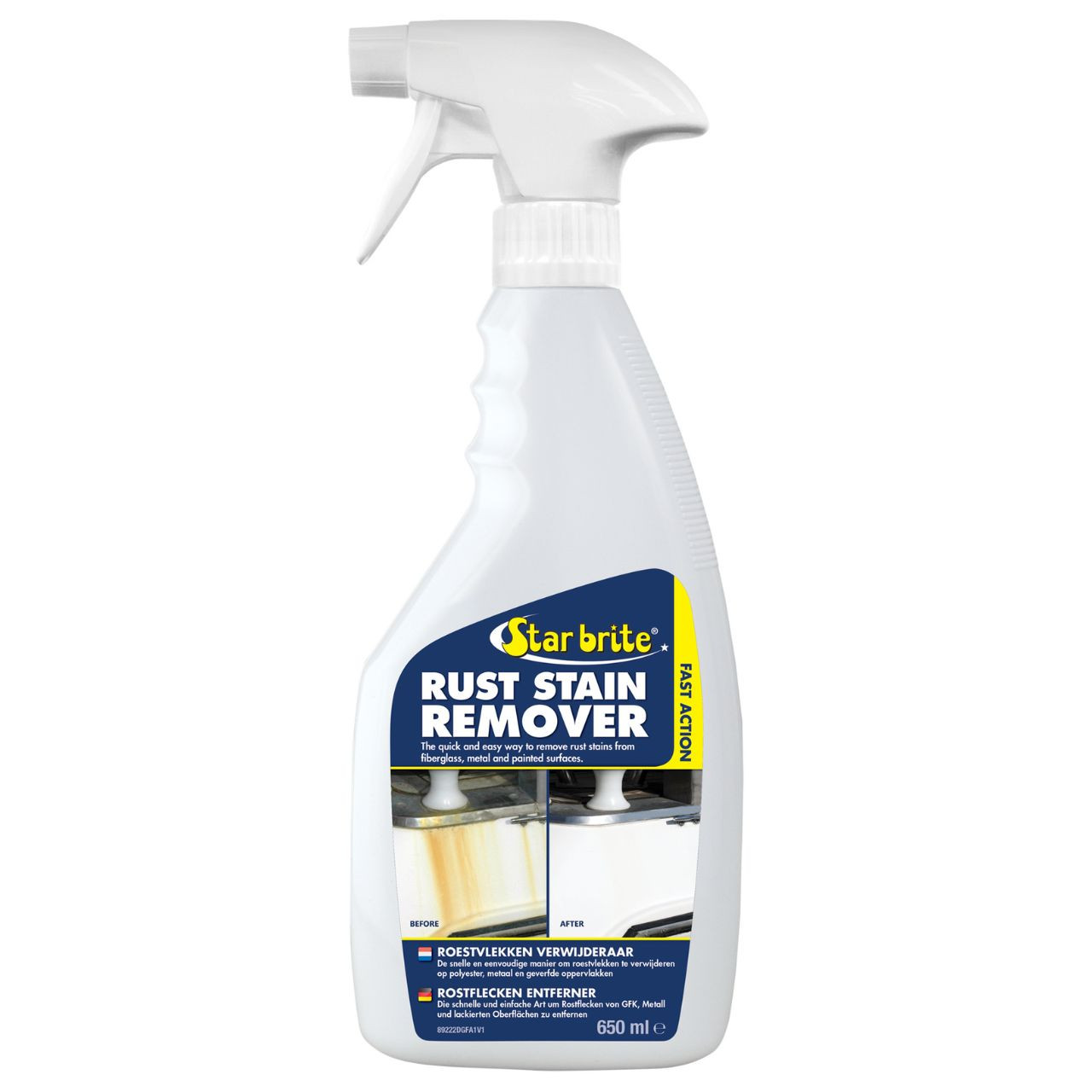
Star Brite Rust Stain Remover Spray addresses surface rust and discolouration on stainless steel, chrome and painted metal. The spray format allows quick treatment of vertical and overhead areas common on boats, trailers and outdoor structures in the UK. It works by breaking down rust stains so they can be wiped or rinsed away without heavy abrasion.
Application involves spraying the affected area, allowing brief dwell time and then cleaning the surface. It suits marine fittings, caravan components and garden equipment where surface-level corrosion appears. UK users in coastal or damp regions find it convenient for maintaining appearance on metal exposed to salt air and moisture.
The product performs best on light rust and staining rather than deep pitting, and thorough rinsing follows treatment. Once clean the surface can receive protective coatings or polishes to help slow future discolouration. Its spray delivery reduces mess on complex shapes and supports regular upkeep routines. Many boat and vehicle owners incorporate it into seasonal maintenance to keep metal surfaces looking presentable before applying a best clear metal lacquer.
Key features:
-
Spray application suits vertical and hard-to-reach marine and outdoor surfaces
-
Targets rust stains effectively with minimal mechanical effort
-
Suitable for stainless steel, chrome and painted metals
Facts and Information:
-
Popular for UK marine, caravan and garden metal maintenance
-
Delivers quick results on surface rust and discolouration
-
Supports appearance restoration before protective treatments
8. Krud Kutter Rust Remover
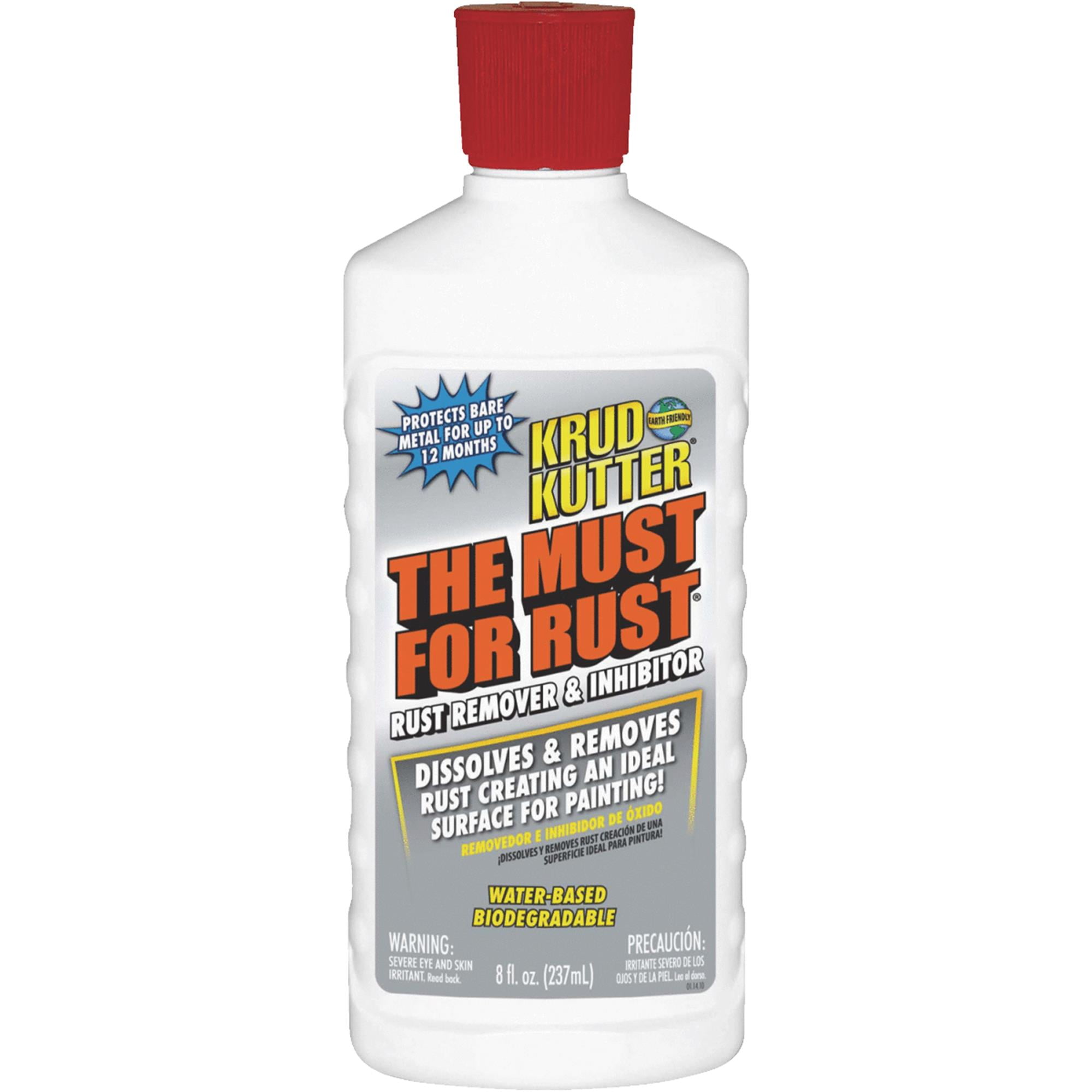
Krud Kutter Rust Remover breaks down rust so it can be wiped or rinsed from metal surfaces. Available in forms suitable for spray or brush application, it is used across the UK on tools, railings, machinery and household metal items. The formula targets corrosion without requiring aggressive scrubbing in many situations.
Users typically clean loose dirt first, apply the product generously and allow time for it to work before removing the loosened rust. It performs well on moderate rust layers found on garden equipment, workshop tools and vehicle accessories. After treatment the cleaned metal is ready for drying and priming to protect against rapid re-oxidation in damp UK conditions.
The straightforward process appeals to both occasional users and those carrying out regular maintenance. Spray application helps reach awkward angles on frames and panels. Once rust is cleared the surface accepts primers and topcoats reliably. Many restoration and upkeep projects benefit from its balance of effectiveness and ease of use on everyday ferrous items. A follow-up best rust shield adds valuable extra defence.
Key features:
-
Spray or brush options for flexible application
-
Breaks down rust for easier removal from various metal surfaces
-
Suitable for tools, railings and outdoor equipment
Facts and Information:
-
Widely available for UK DIY and workshop rust management
-
Supports preparation of metal before painting or protective coatings
-
Effective on moderate rust common in domestic and light industrial settings
9. Corroseal Water-Based Rust Converter

Corroseal Water-Based Rust Converter turns active rust into a stable primer-like coating that can accept paint. The low-odour water-based formula suits indoor and garage use across the UK. It can be brushed or sprayed after suitable surface preparation and works on ferrous metals affected by corrosion.
Application involves cleaning loose material, applying the converter and allowing it to react and dry before overcoating. UK users working on vehicles, trailers and property metalwork value its convenience and reduced fumes compared with solvent-based alternatives. The converted surface provides a stable base that helps prevent further rust development when protected with topcoats.
It performs reliably on moderate rust and integrates into standard painting sequences. Spray application after decanting allows even coverage on larger panels and frameworks. Once cured the coating accepts most primers and finishes used in automotive and general restoration. Many projects benefit from its straightforward workflow from treatment to final protection in typical British weather conditions. Combining it with a best anti-rust coating strengthens the overall result.
Key features:
-
Water-based low-odour formula for comfortable application
-
Converts rust into a stable paintable coating
-
Suitable for brush or spray after preparation
Facts and Information:
-
Chosen for vehicle and property maintenance where odour matters
-
Provides a reliable base for subsequent protective layers
-
Supports indoor and outdoor ferrous metal treatment in the UK
10. POR-15 Metal Prep

POR-15 Metal Prep etches and prepares metal surfaces after rust removal to optimise adhesion of protective coatings. While not a standalone rust remover it forms an important step in systems designed for long-term corrosion resistance. It can be applied by spray or brush to clean bare metal and creates an ideal surface for subsequent rust-preventive paints.
UK classic car and motorcycle restorers often use it as part of thorough preparation sequences on bodywork and chassis components. Application follows rust removal and involves coating the bare metal, allowing reaction time and then rinsing or wiping as directed. The etched surface improves bonding of topcoats and helps the overall system perform better in damp and salt-exposed environments. It suits projects where maximum durability is required on vehicles and industrial metalwork.
Once prepared the metal moves directly into priming and painting stages. Many restoration workflows incorporate this step to achieve professional-level results that withstand British weather. Its role in surface optimisation supports longer-lasting protection after initial rust treatment. Users often follow with products from best rust prevention coating collections for comprehensive defence.
Key features:
-
Etches bare metal to improve coating adhesion
-
Can be applied by spray or brush
-
Part of complete rust-prevention preparation systems
Facts and Information:
-
Commonly used in UK classic vehicle and machinery restoration
-
Enhances performance of protective coatings on prepared surfaces
-
Fits into detailed workflows aiming for durable finishes on ferrous metal
Preparing Surfaces for the Best Results with Spray-On Rust Removers
Good preparation makes a noticeable difference to the final outcome. Remove loose rust, dirt, grease and old paint first so the active ingredients can reach the corrosion directly. A wire brush or abrasive pad helps on heavier deposits, while a degreaser ensures the surface is clean. After treatment, rinse thoroughly if the product instructions require it, then dry the metal completely before applying primer. In the UK's variable weather, working under cover or on a dry day prevents flash rust from forming on freshly cleaned metal. Many professionals also apply a rust-inhibiting primer soon after removal to lock in the clean surface.
|
Surface Type |
Recommended Approach |
Expected Outcome |
|
Car body panels |
Aerosol converter or trigger spray |
Even coverage, paint-ready surface |
|
Garden tools & furniture |
Trigger spray liquid remover |
Quick removal, minimal scrubbing |
|
Vehicle chassis |
Spray converter followed by topcoat |
Protected against salt and moisture |
|
Workshop machinery |
Generous spray application, dwell time |
Clean metal for repainting |
Long-Term Protection After Rust Removal
Once rust has been removed, protecting the bare metal is essential to prevent rapid return of the problem. Many UK vehicle owners and property maintainers choose a quality anti-rust coating or rust shield for hidden areas. These products create a barrier against moisture and salt. Regular inspection of treated areas, especially on vehicles used in winter, helps catch any new spots early. Combining thorough rust removal with a suitable protective coating gives metalwork the best chance of staying in good condition for years. A clear metal lacquer can provide an additional transparent layer of defence on visible surfaces while maintaining appearance.
FAQ
What is the difference between a rust remover and a rust converter?
A rust remover works by chemically breaking down and lifting existing corrosion from the metal so it can be wiped or rinsed away, often leaving a clean bare surface ready for further treatment. A rust converter reacts directly with the rust to transform it into a stable compound that can usually be painted over without complete removal of the old corrosion. Spray-on rust remover versions often use trigger or aerosol formats for easy application on various surfaces. The choice depends on whether complete removal to bare metal is needed or stabilisation is sufficient before painting. In the UK climate, both help address corrosion caused by moisture and salt when used as part of a proper sequence.
How long should a spray-on rust remover be left on the surface?
Dwell time varies according to the thickness of the rust and the specific formula used, with lighter surface corrosion often responding in a shorter period while heavier deposits benefit from extended contact. Checking progress after the initial application helps determine whether a second treatment or gentle agitation will improve results without damaging sound metal underneath. Spray-on formats make it straightforward to reapply product to areas that need more time while avoiding over-saturation on surrounding surfaces. Working in moderate temperatures typical of UK workshops helps the chemical reaction proceed steadily. Allowing the product sufficient time ensures the rust is properly broken down before rinsing or wiping, which supports better adhesion of any subsequent primer or coating from primers collections.
Can spray-on rust removers be used on painted or coated metal?
Most spray-on rust removers perform best when applied directly to bare or lightly rusted metal because existing paint or coatings can block the active ingredients from reaching the corrosion underneath. In cases of very light surface rust beneath a topcoat, certain converter-style sprays may still deliver useful results, though testing on a small inconspicuous area remains advisable. Thorough preparation that includes removing loose paint, dirt and grease improves contact between the formula and the affected metal. Vertical or complex shapes common on vehicles and outdoor structures often benefit from the even coverage a spray provides once the surface is ready. Proper cleaning beforehand helps the product work more efficiently and reduces the chance of trapped moisture causing further issues later.
Is additional priming always necessary after using a spray-on rust remover?
In the majority of cases, priming is recommended because freshly cleaned bare metal remains vulnerable to rapid re-oxidation, especially in the damp and salt-exposed environments common across the UK. A suitable metal primer seals the surface, creates a stable base for topcoats and helps extend the life of the repair. Some converter formulas leave a surface that accepts paint more readily, yet an additional priming step still provides extra defence against moisture returning to the metal. Spray-on rust remover products that reach awkward areas effectively still leave the underlying structure exposed once the rust has been cleared, making protection an important follow-up stage.
What steps help protect metal after using a spray-on rust remover?
After rust has been removed, drying the surface completely prevents flash rust from forming in humid conditions before any protective layer is applied. Applying a compatible primer followed by a durable topcoat or the best anti-rust spray creates a barrier that limits future moisture contact and slows new corrosion. For hidden or hard-to-reach areas such as cavities and seams, specialist protective products designed for those locations add another level of defence. Regular inspection, particularly after winter when road salt and damp weather increase risk, allows small spots to be treated early before they spread. These follow-up measures work together with the initial spray-on treatment to help metal items maintain their condition over time in typical UK settings.
Read Also:



